🔥 SAVAITĖS PASIŪLYMAI: 💪 100% žemės riešutų kremas 1000 g – tik 5,99 €! ✦ 💊 Yamamoto Nutrition ZMA 120 kapsulių – tik 9,99 €! ✦ ⏳ Kiekis ribotas – užsisakykite dabar!
Visorių g. 2, Vilnius
🔥 SAVAITĖS PASIŪLYMAI: 💪 100% žemės riešutų kremas 1000 g – tik 5,99 €! ✦ 💊 Yamamoto Nutrition ZMA 120 kapsulių – tik 9,99 €! ✦ ⏳ Kiekis ribotas – užsisakykite dabar!
Vitamin B12 is a key nutrient essential for various physiological functions, including cognitive health, red blood cell formation, and fetal development. Its deficiency can cause serious health problems such as neurological damage and anemia, especially for those with limited dietary sources.
The importance of vitamin B12, deficiency symptoms, dietary sources, and supplement options for at-risk groups are discussed further in this article.
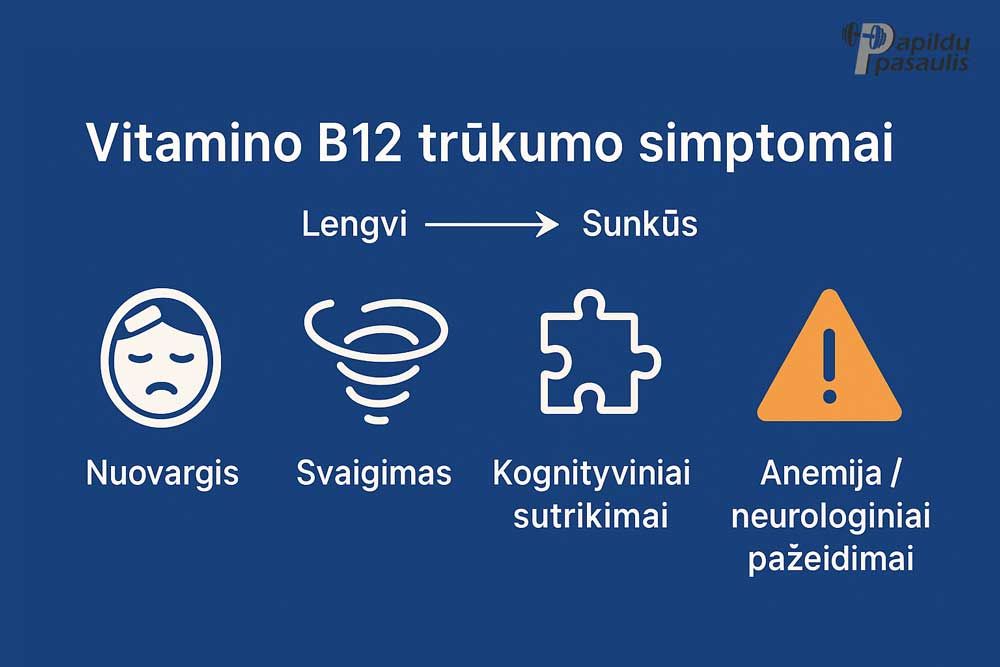
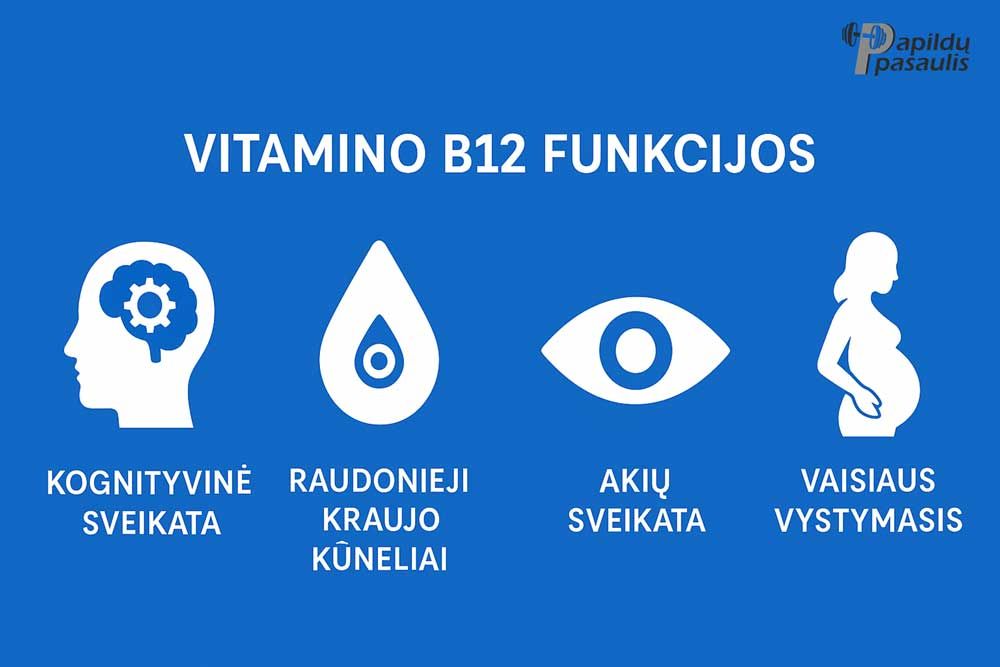
Vitamin B12 may support cognitive function, neurological stability, blood health, eye and bone health, and fetal development.
Vitamin B12 aids memory, learning processes, and mood regulation, thereby supporting mental health. Additionally, it may provide neuroprotection and help prevent nerve damage. Furthermore, vitamin B12 deficiency can cause significant neurological symptoms that affect overall well-being. Moreover, vitamin B12 is essential for red blood cell formation, highlighting its importance in preventing megaloblastic anemia.
Vitamin B12 is necessary for red blood cell production, helps prevent anemia, and converts food into useful energy. This function can ensure efficient oxygen transport throughout the body, reducing fatigue and weakness.
Vitamin B12 may protect the eyes from age-related macular degeneration and optic nerve neuropathy, as well as support bone density. It may also help maintain bone density and reduce the risk of osteoporosis and hip fractures.
During pregnancy, adequate vitamin B12 levels can be very important for fetal development, maternal health, and congenital anomaly prevention. Vitamin B12 is important for energy production and overall health maintenance at various life stages.
Side effects of vitamin B12 supplements may include diarrhea, itching, skin rash, headache, and dizziness.
Although these symptoms are usually mild, they can be bothersome. Vitamin B12 is essential for growth and cell division, so proper intake is crucial for overall health. It is important to note that certain medications can reduce vitamin B12 absorption, increasing the potential for side effects. Additionally, common vitamin B12 deficiency can cause serious health problems if left unaddressed.
More severe side effects, though rare, may require immediate medical attention. Particularly concerning are signs of allergic reactions such as hives, severe breathing difficulties, and swelling of the face, lips, or throat.
Symptoms indicating heart problems, fluid accumulation in the lungs, or low potassium levels, such as leg cramps and irregular heartbeat, should not be ignored.
Overdose, among other complications, can cause nausea, vomiting, and venous thrombosis. In rare cases, polycythemia vera—a rare blood disorder—may occur.
There are certain contraindications; individuals allergic to cyanocobalamin or cobalt, or those with Leber's disease, should avoid supplements.
Additionally, vitamin B12 may interact with medications affecting bone marrow, such as metformin and proton pump inhibitors.
To reduce risk, it is essential to inform your doctor about all medications you are taking and limit alcohol consumption during treatment.
Recommended vitamin B12 intake and doses may vary depending on age, sex, and health status. Adults over 18 years are advised to consume 2.4 mcg per day. Pregnant women are recommended 2.6 mcg, and breastfeeding women 2.8 mcg per day.
Children's needs may vary by age: from 0.4 mcg for infants to 1.8 mcg for children aged 9–13 years. Older adults with reduced absorption efficiency may benefit from supplements. Vegans and vegetarians, due to limited B12 in plant-based diets, may require higher doses—up to 6 mcg per day.
Patients after surgeries, especially gastric bypass, may require supplements to address absorption issues. When treating B12 deficiency, initially high daily doses of 1 mg may be prescribed, followed by maintenance doses ranging from 125 to 250 mcg.
Although vitamin B12 is generally safe, excessive amounts do not increase absorption efficiency. Individuals with health disorders or dietary restrictions should consult a doctor for personalized recommendations.
Vitamin B12 and iron are both vital nutrients, but their absorption processes are quite different, which can affect their effectiveness compared to other supplements. Understanding these differences is crucial for managing nutrient deficiencies and optimizing nutrition. Here are the advantages and disadvantages of vitamin B12 and iron absorption compared to other supplements:
Iron is mainly absorbed in the duodenum and the upper part of the jejunum, while vitamin B12 is absorbed only in the distal ileum. This means that although some dietary supplements may contain multiple nutrients, B12 absorption can be hindered by gastrointestinal disorders affecting the ileum. In such cases, B12 supplements may be less effective than iron.
Iron absorption is regulated by hepcidin, which adjusts iron levels according to the body's needs. This regulation can limit the effectiveness of iron supplements in individuals with high iron stores. Conversely, B12 absorption requires an intrinsic factor. If it is lacking, B12 supplements may be less effective.
Vitamin B12 absorption is less flexible than iron, so individuals with certain gastrointestinal diseases or who have undergone surgeries may face difficulties. Although iron supplements are often more effective, when taking B12 supplements, factors such as gastrointestinal health must be considered.
Folic acid can improve the absorption and utilization of vitamin B12, emphasizing the interrelationship between these two nutrients. While folates are important for red blood cell production and homocysteine metabolism, they can also mask symptoms of vitamin B12 deficiency. This masking effect can lead to long-term neurological damage if the deficiency is not detected and treated in time.
Increased folate levels in the presence of B12 deficiency can worsen anemia and cognitive symptoms, highlighting the importance of simultaneous supplementation. Both folic acid and vitamin B12 are involved in the synthesis of S-adenosylmethionine (SAMe), which is crucial for mood regulation and immune function.
To optimize health, the diet should include foods rich in both folic acid and vitamin B12. This is especially important for individuals at risk of B12 deficiency, such as vegans or those with absorption problems. Since folic acid can hide B12 deficiency, it is recommended to carefully monitor and supplement both nutrients, especially when B12 deficiency is suspected. This integrated approach can ensure effective management of both deficiencies and improve overall health.
Vitamin B12 can quickly increase energy levels, especially in individuals who are deficient. However, for those with adequate B12 levels, there is little evidence that supplementation immediately boosts energy. It is important to consider health conditions and dietary habits, as energy production depends not only on B12 but also on other metabolic processes.
Vitamin B12 is generally considered safe for pregnant women and is essential for maternal and fetal health. The recommended daily intake during pregnancy is 2.6 mcg to support neurological development and prevent deficiency. Women, especially those on restrictive diets, should consult a doctor about supplementation. Monitoring B12 levels is important, as deficiency can pose risks to both mother and child.
Vitamin B12 is involved in the synthesis of neurotransmitters such as serotonin and dopamine, which are essential for emotion regulation. It also helps reduce neurotoxicity and supports nerve communication by participating in myelination. Deficiency may be associated with depression, anxiety, and cognitive decline, making vitamin B12 very important for psychological well-being.
Yes, vitamin B12 can interact with certain medications, such as anticonvulsants, chemotherapy agents, and metformin, which reduce B12 levels in the body. Additionally, H2 blockers and proton pump inhibitors can interfere with its absorption. This interaction highlights the need to monitor B12 levels in patients taking these medications to avoid complications.
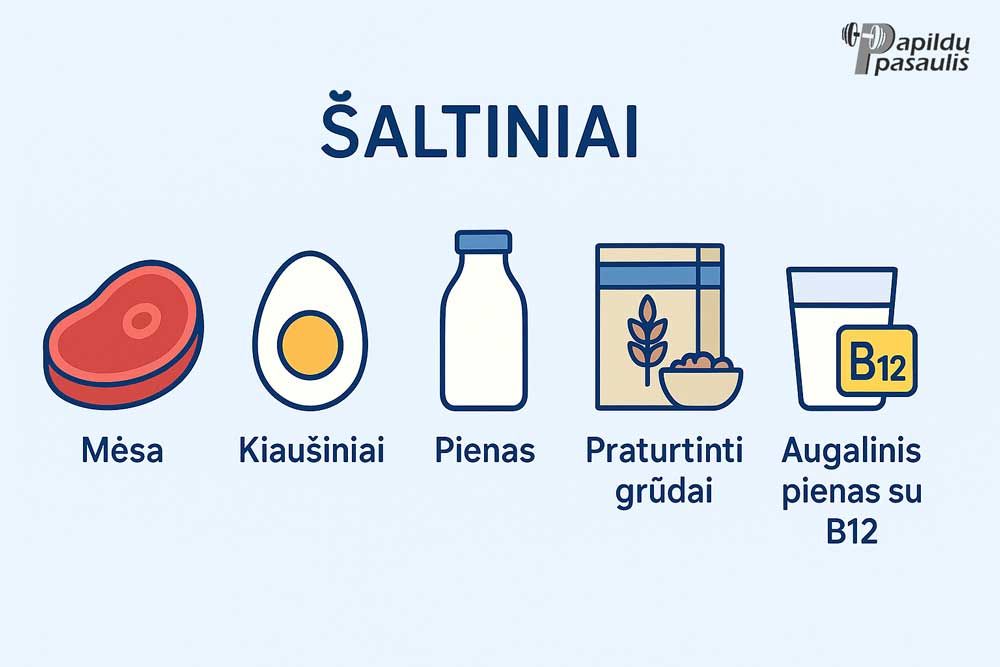
Reliable vegan sources of vitamin B12 include fortified plant milk, nutritional yeast, fortified cereals, and plant-based meat substitutes.
Vitamin B12 is very important for cognitive functions, blood health, and fetal development. Vitamin B12 deficiency can cause serious health problems, especially among risk groups such as vegans. A balanced diet that includes animal-based or fortified foods is essential to ensure adequate B12 levels.
For individuals who cannot meet their needs through diet, a suitable alternative is B12 supplements. By monitoring absorption factors, including the role of folic acid, the effectiveness of B12 supplements can be increased.


