🔥 SAVAITĖS PASIŪLYMAI: 💪 100% žemės riešutų kremas 1000 g – tik 5,99 €! ✦ 💊 Yamamoto Nutrition ZMA 120 kapsulių – tik 9,99 €! ✦ ⏳ Kiekis ribotas – užsisakykite dabar!
Visorių g. 2, Vilnius
🔥 SAVAITĖS PASIŪLYMAI: 💪 100% žemės riešutų kremas 1000 g – tik 5,99 €! ✦ 💊 Yamamoto Nutrition ZMA 120 kapsulių – tik 9,99 €! ✦ ⏳ Kiekis ribotas – užsisakykite dabar!
Vitamin E is a fat-soluble antioxidant that plays an important role in protecting cells from oxidative stress and maintaining overall health.
It is known for its skin-nurturing properties and is often found in various beauty products.
Besides skin care, vitamin E contributes to skin hydration and immune system function, making it very important for overall well-being.
We discuss the benefits and uses of vitamin E, possible side effects, and provide important recommendations on how to safely incorporate vitamin E into your daily routine in this article below.
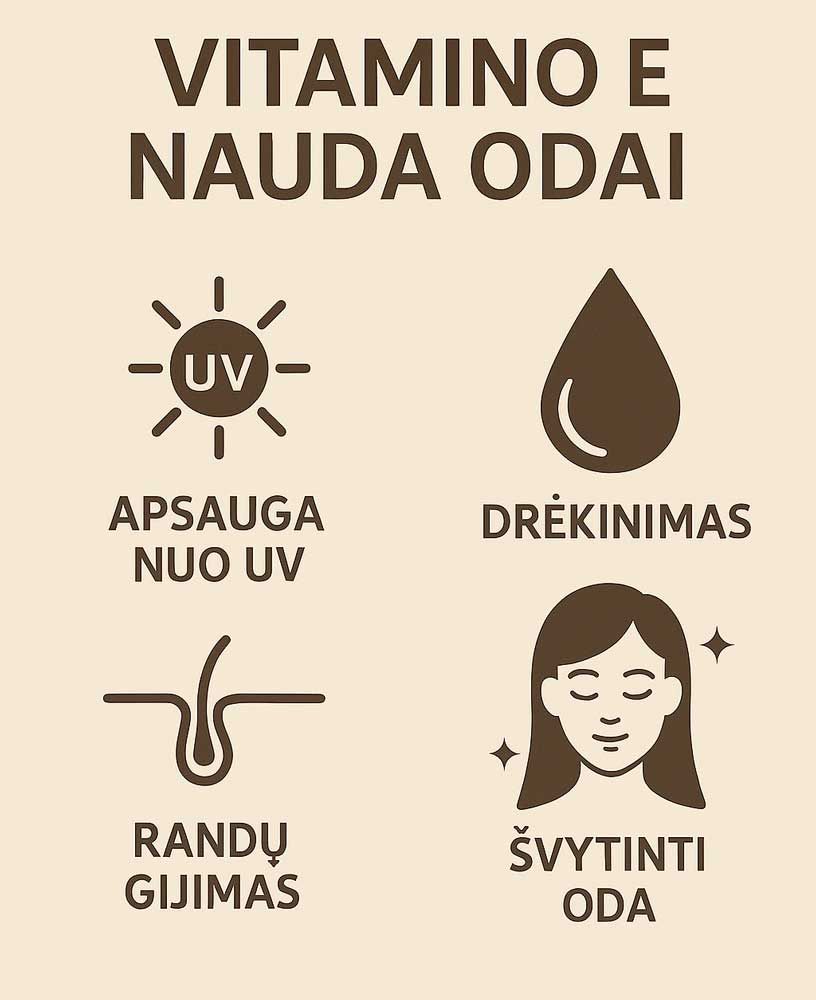
Vitamin E can greatly improve skin health. This powerful antioxidant can protect the skin from environmental effects such as pollution and UV radiation, prevent premature aging, and help the skin maintain a youthful appearance.
Vitamin E can also help the skin heal. It can promote faster healing of minor cuts, burns, and acne scars and reduce the appearance of spots by stimulating cell regeneration, which can help restore the skin.
Incorporating vitamin E into skin care routines is simple. It can come in various forms, including oils, creams, and serums. If you want a natural method, you can use pure vitamin E oil. Applying just a few drops directly to the skin can intensely nourish and hydrate it.
Vitamin E can help combat dryness. If the skin feels tight or flaky, a product containing vitamin E can restore the moisture barrier, making the skin soft and elastic.
If you want to improve skin health, vitamin E can be a useful addition. It is a versatile ingredient with many benefits, making it a valuable component of your skincare routine.
Consider incorporating vitamin E into your daily care, and your skin will thank you!
Vitamin E protects cells from oxidative stress, strengthens immune defenses, supports the health of blood vessels, nerves, and skin, and positively affects eye functions.
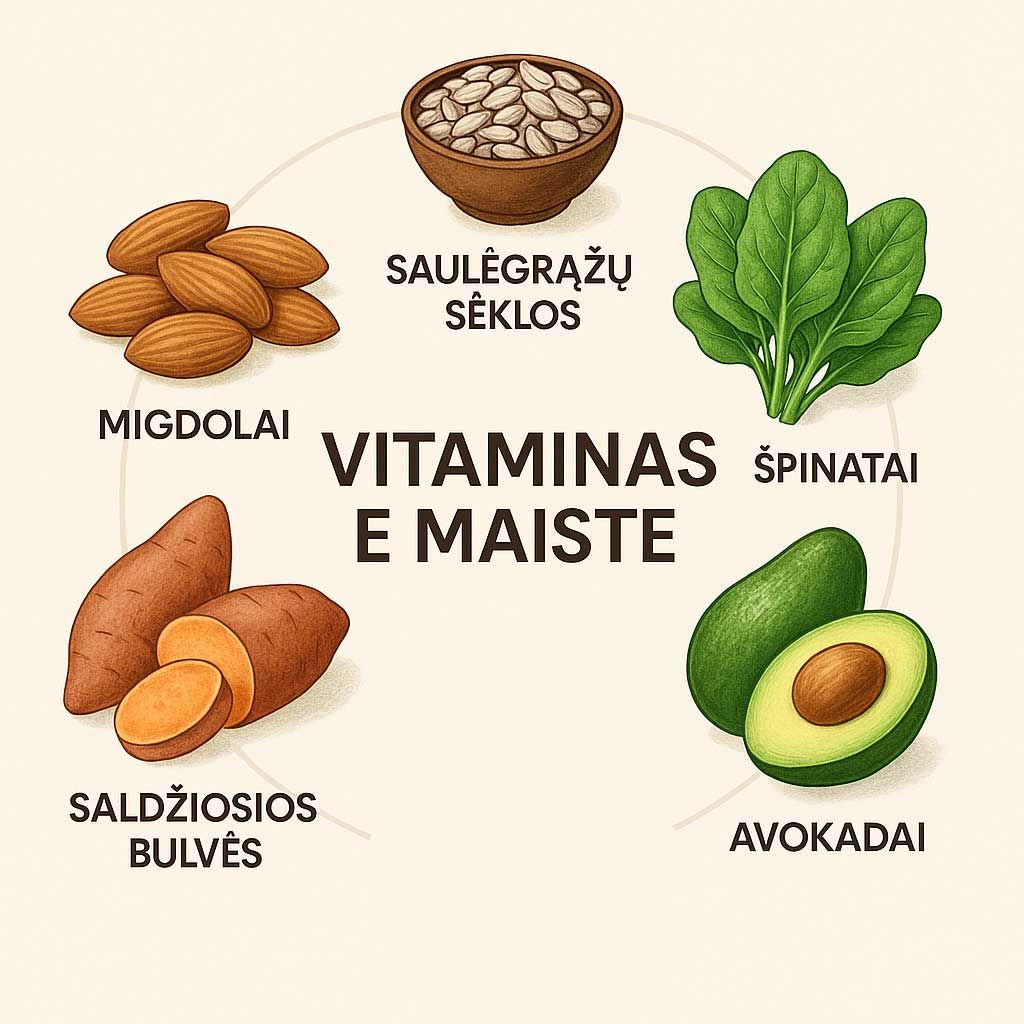
If you want to increase the amount of vitamin E in your diet, you can choose from several tasty sources.
Nuts, especially almonds and hazelnuts, can be excellent sources. You can also enjoy sunflower seeds and spinach as a healthy snack.
Avocados and sweet potatoes can diversify your dishes while providing this important nutrient.
Including these foods in your diet can help you deliciously and healthily meet your vitamin E needs.
Vitamin E deficiency manifests neurological symptoms – muscle weakness, coordination disorders, numbness, and poor reflexes, and there may also be signs of vision problems and weakened immunity. These symptoms usually indicate a more serious – long-term deficiency stage associated with fat absorption disorders. If you have several of these signs, it is recommended to consult a doctor.
Cosmetic products containing vitamin E can provide essential nutrients that help retain moisture and combat dryness, making facial skin plumper and radiant. Look for moisturizing serums, creams, and oils containing this powerful antioxidant.
Effective products often contain moisture-retaining substances such as glycerin and hyaluronic acid, which can attract water to the skin. Together with vitamin E, these ingredients can work synergistically to increase moisture retention and improve overall skin texture, making the skin smoother, especially beneficial for those with dry or aging skin.
It is very important to use a good moisturizing cream. A rich cream or lotion with vitamin E can create a protective barrier that ensures hydration throughout the day. Products labeled "moisturizing" or "hydrating" often emphasize the amount of vitamin E due to its effectiveness.
If you want to moisturize effectively, consider incorporating facial oils into your daily care routine. These oils can provide additional nourishment, often with vitamin E blended with other beneficial oils for better results.
By prioritizing hydration when choosing cosmetic products, you can noticeably improve your skin's radiance and texture. Include these preparations in your skincare routine to transform your skin into a healthier and more radiant version.
Allergic reactions to vitamin E may occur, ranging from mild irritation to more severe reactions such as redness, itching, or rash when using topical products.
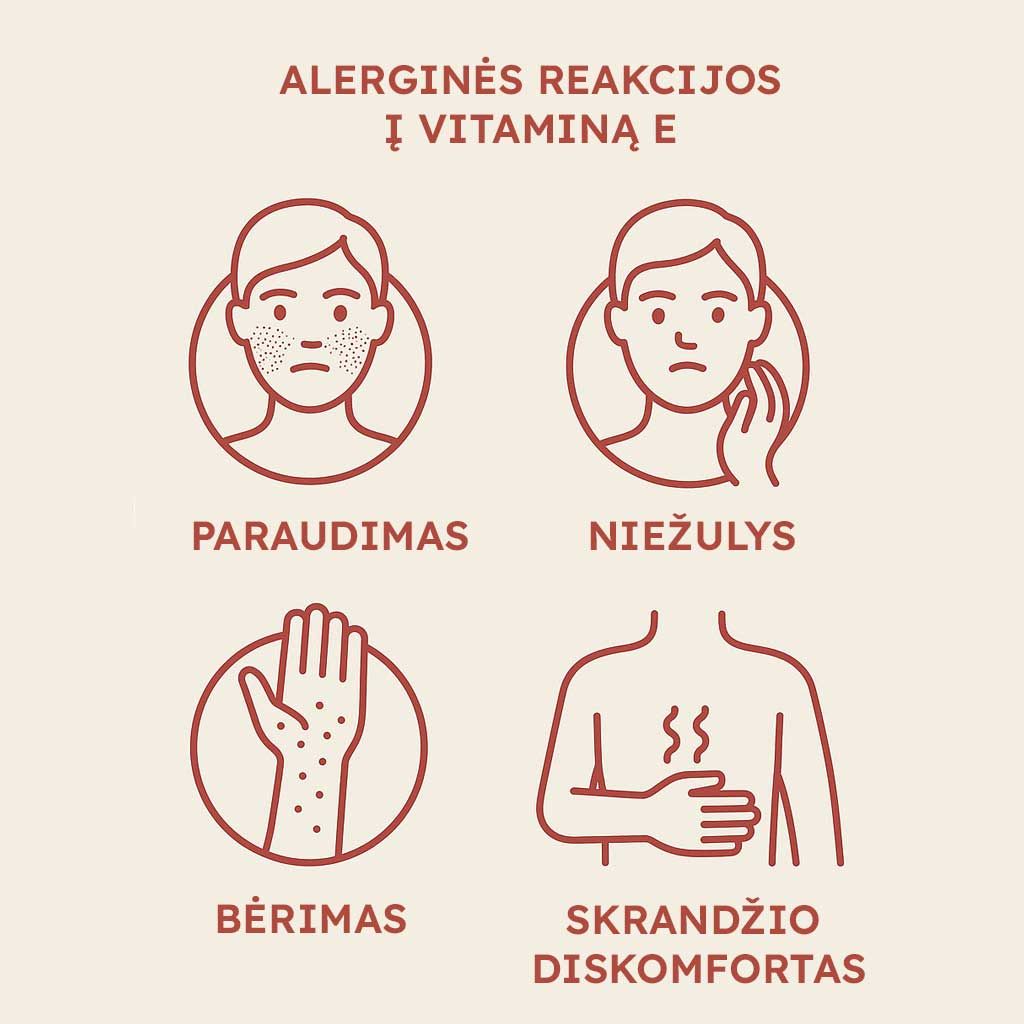
When using products containing vitamin E, it is very important to pay attention to your body's signals.
If you are trying vitamin E for the first time, you might want to perform a patch test. Apply a small amount of the product to an inconspicuous area of skin and wait 24 hours.
If you do not notice any irritation, it may be safe to use this product. However, if you notice any adverse reactions, it is best to avoid that product.
Some individuals taking vitamin E supplements may also experience allergic reactions, which can manifest as digestive tract symptoms or, in rare cases, respiratory issues.
If you plan to include vitamin E supplements in your diet, consult your doctor first, especially if you have a history of allergies.
Always carefully read product labels and ingredient lists to identify potential allergens.
If you are sensitive to certain ingredients, choose products labeled hypoallergenic or free from common irritants.

The recommended daily allowance of vitamin E for adults is 15 milligrams (mg) of alpha-tocopherol.
Pregnant women may need about 15 mg per day, and breastfeeding women - 19 mg.
These recommendations apply to food sources, not supplements. A balanced diet rich in nuts, seeds, vegetable oils, and green leafy vegetables can help meet vitamin E needs.
Excellent sources include almonds, sunflower seeds, and spinach. If you plan to take dietary supplements, it is advisable to consult a doctor first.
Excess vitamin E from food sources is rare, but high doses of supplements can cause adverse effects.
Avoid exceeding 1000 mg per day unless directed by a doctor, as excessive amounts may increase bleeding risk, especially if you are taking blood-thinning medications.
Yes, vitamin E can be obtained solely from food.
This important nutrient is abundant in foods such as nuts, seeds, spinach, and whole grains. By including these foods in your diet, you can meet your vitamin E needs without using supplements.
Just remember to maintain a balanced diet to get all the necessary vitamins and minerals. Enjoying a variety of foods can help maintain their ideal levels.
When taken with other dietary supplements, vitamin E can enhance or inhibit their effects.
For example, combining it with vitamin C may increase antioxidant effects, while high doses of vitamin E can interfere with blood-thinning medications such as warfarin.
It is very important to consult a doctor about your supplement regimen to ensure you are not at risk of any adverse interactions.
Balanced use can help maximize benefits without harming your health.
Vitamin E may be safe for pregnant and breastfeeding women if consumed moderately through food.
When considering vitamin E intake, it is important to consult a doctor. However, high doses of supplements may pose risks, so it is best to avoid them unless directed by a doctor.
Your body may need certain vitamins for both your and your baby's health, but always prioritize professional advice to ensure you make the safest decisions for both of you.
Be informed and actively take care of your health!
Vitamin E can help hair health. It has antioxidant properties that can protect hair from damage.
Using vitamin E oil can nourish the scalp and promote healthy hair growth. Additionally, it can improve scalp circulation, making hair stronger and shinier.
Just remember to perform a test first, as everyone's skin may react differently to new products.
Vitamin E is a powerful helper for your skin, providing benefits such as better hydration and protection from harmful environmental effects. When incorporated into your skincare routine, it can help reduce spots and maintain overall skin health. Additionally, you can purchase various forms of vitamin E supplements in our store, where you can take advantage of the best prices and monthly sales. With fast delivery, you can receive your order in just 24 hours. By using vitamin E wisely, you can enjoy its benefits, and your skin will glow and be healthy.


