🔥 SAVAITĖS PASIŪLYMAI: 💪 100% žemės riešutų kremas 1000 g – tik 5,99 €! ✦ 💊 Yamamoto Nutrition ZMA 120 kapsulių – tik 9,99 €! ✦ ⏳ Kiekis ribotas – užsisakykite dabar!
Visorių g. 2, Vilnius
🔥 SAVAITĖS PASIŪLYMAI: 💪 100% žemės riešutų kremas 1000 g – tik 5,99 €! ✦ 💊 Yamamoto Nutrition ZMA 120 kapsulių – tik 9,99 €! ✦ ⏳ Kiekis ribotas – užsisakykite dabar!
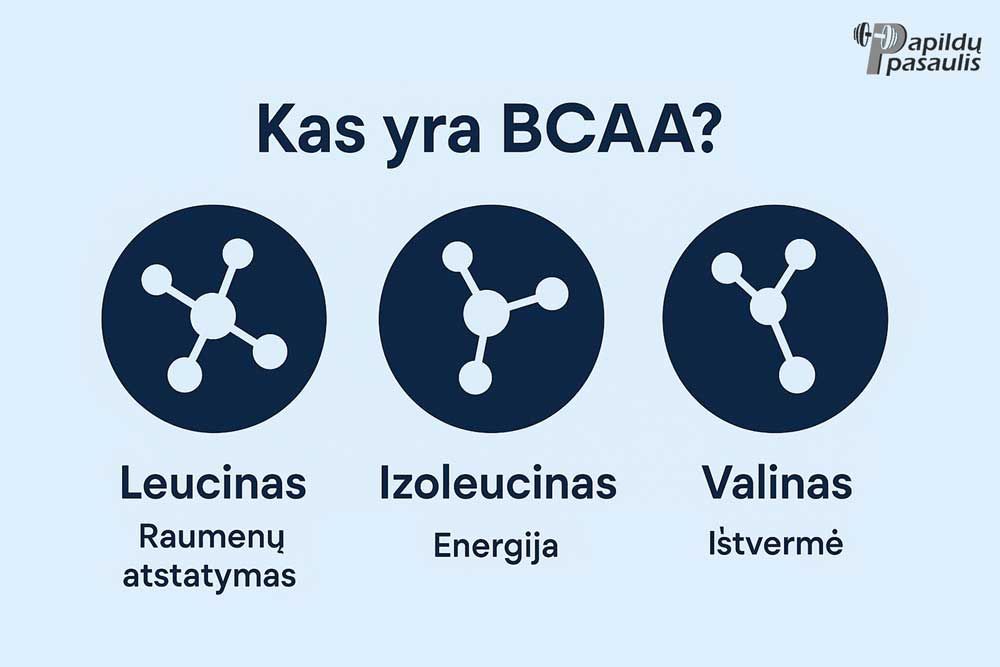
BCAA (branched-chain amino acids) are three essential amino acids (leucine, isoleucine, valine) that the body does not produce on its own, so it is necessary to obtain them through food or supplements. They make up about 35% of the essential amino acids in muscle proteins.
These amino acids are called branched-chain amino acids because of their chemical structure, which differs from other amino acids. They are vital for protein synthesis and can provide energy during intense workouts. Understanding these factors will help you determine if BCAA is a beneficial addition to your training regimen.
We discuss the benefits of BCAA, their use in sports and recovery, possible side effects, and tips on how to effectively incorporate them into your routine below.
Related: BCAA supplements are offered at a good price in our online store. Wide selection, good price.
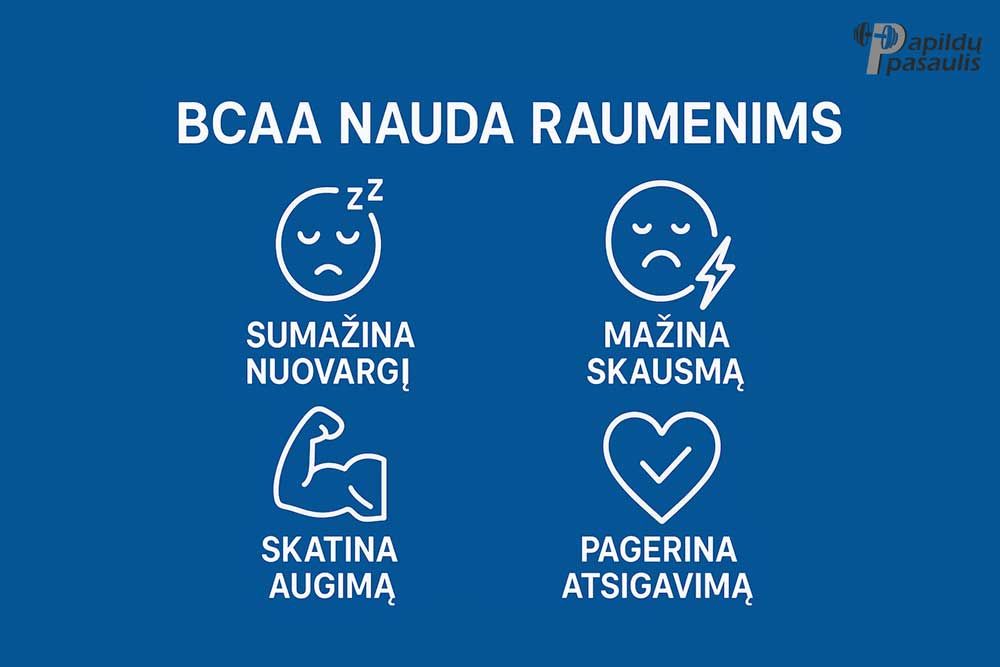
After workouts, especially intense ones that can cause muscle soreness and fatigue, it is very important to support muscle recovery. Branched-chain amino acids (BCAA) can help reduce muscle pain and speed up recovery time.
BCAA consist of three essential amino acids: leucine, isoleucine, and valine, which are vital for muscle repair and growth. Supplementing with BCAA after training can prevent muscle breakdown during intense physical exertion and preserve hard-earned results.
By incorporating BCAA into your routine, you can improve your overall training experience. Recovering faster, you may feel less tired and more prepared for the next workout.
You may also notice better endurance during workouts, allowing you to push yourself even further.
Dosage may vary depending on the individual, so always consult a doctor or personal trainer before taking any supplements.
Training performance can be enhanced by using BCAA (branched-chain amino acids). Specifically, leucine, isoleucine, and valine can help replenish muscle fuel during workouts, enabling you to overcome fatigue more effectively and train harder and longer.
BCAA can reduce the feeling of fatigue during intense physical activity, meaning you may feel less tired and maintain productivity levels, especially during endurance-demanding activities.
BCAA can stimulate protein synthesis, support muscle recovery, and possibly increase overall strength and power.
Incorporating BCAA into your regular training can provide an extra advantage for better results. They can be taken in powder or capsule form. Taking BCAA about 30 minutes before or during training can help maximize their benefits.
BCAA can help prevent muscle breakdown during prolonged physical exertion, which can be especially beneficial for long-distance runners or participants in high-intensity training. By maintaining muscle integrity, you can achieve better training results.
Consider adding BCAA to your regimen to experience potential benefits for your training outcomes. Dosage may vary depending on individual factors, so always consult a doctor or personal trainer before starting any supplements.
Although some individuals may experience adverse reactions to BCAA, a common side effect is digestive tract discomfort. Symptoms may include bloating, diarrhea, or nausea. If these symptoms persist, it may be helpful to adjust the dose or timing of intake.
Some individuals who have taken BCAA may also feel fatigue or drowsiness, which can affect training results or daily activities.
Moreover, if you suffer from certain diseases, such as kidney or liver diseases, taking BCAA may pose a risk. These amino acids are processed in the body, and if your organs are not functioning efficiently, complications may arise. Always consult a doctor before starting any dietary supplement, especially if you have health issues.
Taking too much BCAA can disrupt the balance of amino acids, which may affect your body's ability to utilize other essential amino acids that are vital for overall health.
Dosage may vary depending on the individual; always consult a doctor or personal trainer before taking any supplements.
To optimize the benefits of BCAA, it is suggested to consume between 5 to 20 grams per day, depending on your goals and activity level. Athletes or those training intensively may benefit from the higher end of this range.
For muscle recovery, about 10 g before or after training can help reduce muscle soreness and improve recovery time. If your goal is to increase muscle mass, take 5-10 grams before training and another 5-10 grams after training.
A smaller dose of about 5 g may be sufficient for weight management or endurance support. Remember to consider your total protein intake, as BCAA can also be obtained from whole food sources.
Always listen to your body and adjust your intake based on how you feel. If you are taking BCAA for the first time, start with a smaller dose and gradually increase it to help assess your response.
BCAA can help with weight loss or fat reduction depending on how you use them.
They can help preserve muscle when calories are deficient, which is crucial for maintaining lean body mass while losing fat.
If you incorporate them into a balanced diet and training regimen, you may notice better workout results and recovery.
However, remember that they are not a miracle solution; effective weight management requires a holistic approach to nutrition and physical fitness.
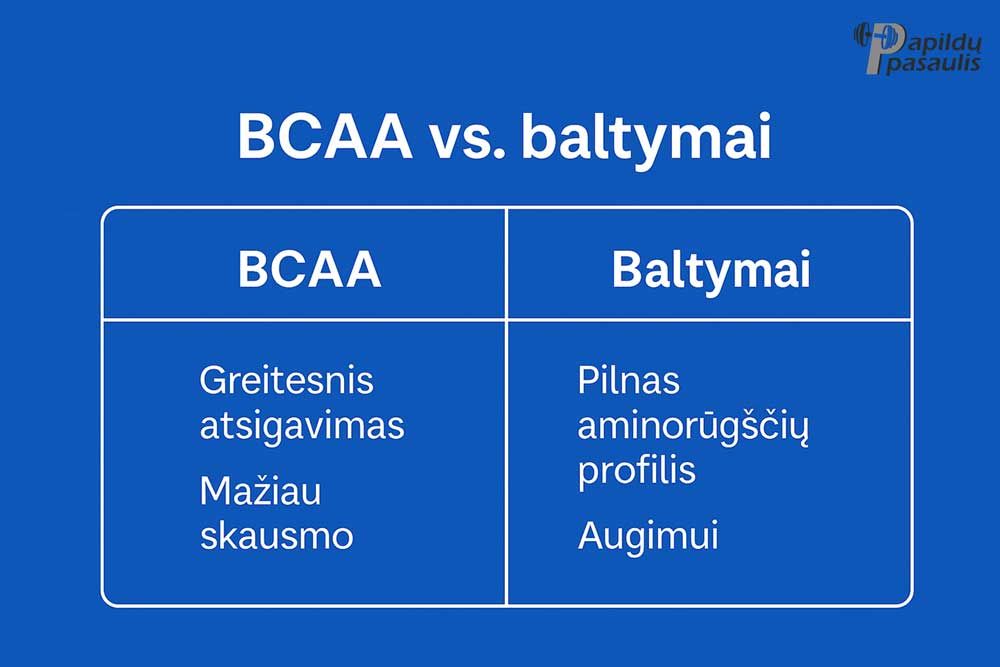
BCAA and protein supplements serve different purposes.
BCAA may be intended for muscle recovery and soreness reduction, while protein supplements can provide a complete amino acid profile for muscle growth.
If you want to enhance workout performance or recovery, BCAA might be your choice.
However, if you want to increase your overall protein intake for muscle growth, protein supplements may better meet your needs.
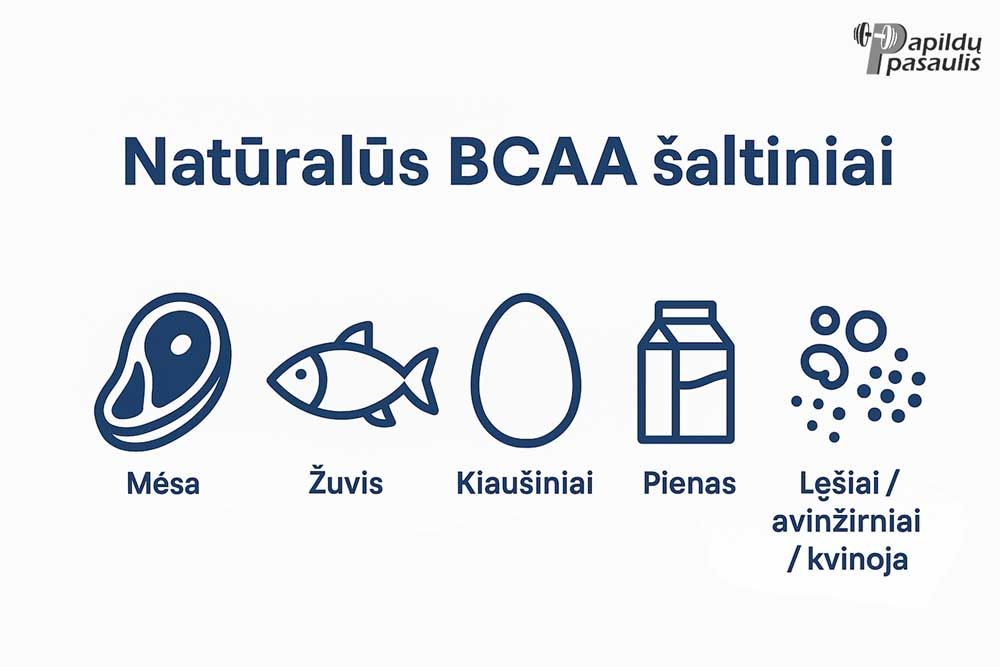
Yes, there are many natural food sources rich in BCAA.
You can find these essential amino acids in protein-rich foods such as meat, fish, eggs, and dairy products.
Plant-based products like lentils, chickpeas, and quinoa can also contain BCAA, making them a great choice for vegetarians and vegans.
Including these foods in your diet can help you obtain the BCAA needed for effective muscle growth and recovery support.
Yes, BCAA can improve mental focus during workouts.
Taking BCAA may help reduce fatigue and maintain alertness, allowing you to concentrate better during training. This can lead to better results and a more productive workout.
By supporting brain energy levels, BCAA can help you overcome challenging workouts and maintain motivation, making your training more effective.
Dosage may vary depending on individual needs, so always consult a doctor or personal trainer before taking any supplements.
Creatine increases muscle energy stores, improves training efficiency, and together with BCAA – enhances muscle protein synthesis and endurance. Their combination is often used before workouts.
BCAA are generally considered safe for long-term use for most people.
However, it is always wise to monitor your body's response and consult a doctor if you have any concerns.
While most studies may not show any significant adverse effects, individual reactions can vary.
Monitor your overall health and adjust your intake as needed.
BCAAs can change your workout routine, help you recover faster, and achieve better results. They are very beneficial for muscle recovery and workout results, but it is very important to be aware of possible side effects. If you plan to include BCAAs in your diet, consult a doctor to determine the dose that meets your needs. You can conveniently purchase BCAAs in various supplement forms in our store, where you will find the best prices and monthly sales. Additionally, with our efficient delivery, your order can be delivered in just 24 hours. By choosing the right approach, you can maximize the benefits while minimizing any risks.


