🔥 SAVAITĖS PASIŪLYMAI: 💪 100% žemės riešutų kremas 1000 g – tik 5,99 €! ✦ 💊 Yamamoto Nutrition ZMA 120 kapsulių – tik 9,99 €! ✦ ⏳ Kiekis ribotas – užsisakykite dabar!
Visorių g. 2, Vilnius
🔥 SAVAITĖS PASIŪLYMAI: 💪 100% žemės riešutų kremas 1000 g – tik 5,99 €! ✦ 💊 Yamamoto Nutrition ZMA 120 kapsulių – tik 9,99 €! ✦ ⏳ Kiekis ribotas – užsisakykite dabar!
Inositol is a chemical substance (sometimes called vitamin B8, but it is not actually a vitamin) - naturally produced in the body and found in food. The most common supplement forms are myo-inositol and D-chiro-inositol (DCI), as well as inositol phosphates like IP6.
Inositol has attracted attention for its potential positive effects on mental health, especially for improving mood and reducing anxiety.
Potential benefits, recommended doses, and possible side effects, including stomach and intestinal discomfort, are discussed in this article below.
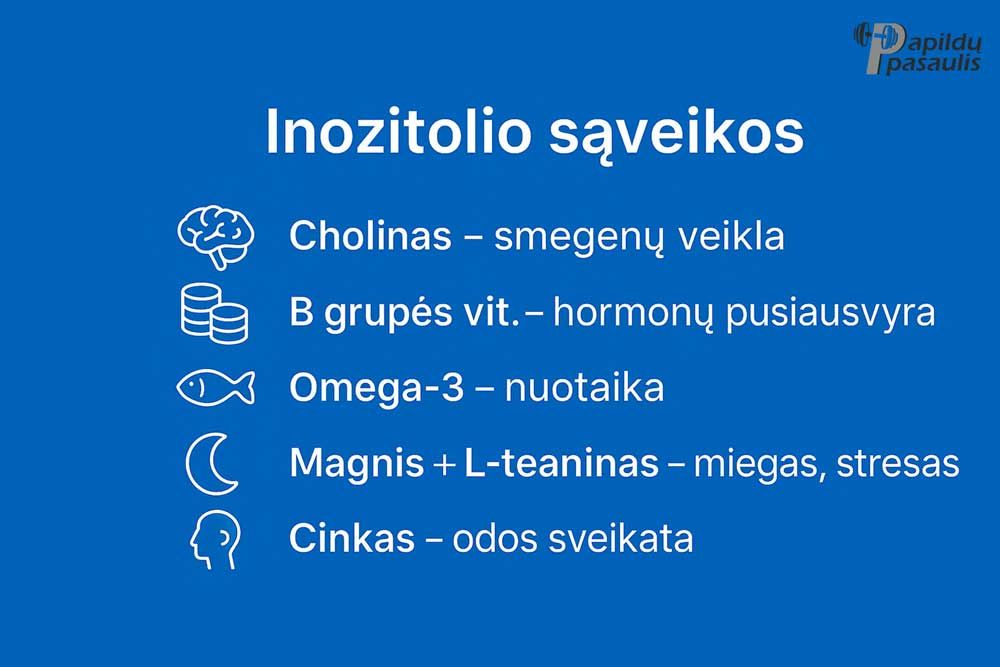
Inositol interacts well with choline, as together they support brain function and reduce stress. With B group vitamins, especially folic acid, it helps regulate hormonal balance, and together with Omega-3 fatty acids contributes to mood improvement. Inositol also works more effectively when combined with magnesium and L-theanine, reducing stress and improving sleep. Zinc and inositol may help hormonal balance and skin health.
Besides supporting the nervous system and hormones, some supplements may also benefit overall body condition. For example, collagen can complement the effects of inositol, especially in supporting skin and connective tissue condition. Collagen provides the body with amino acids such as glycine and proline, which participate in tissue regeneration processes.
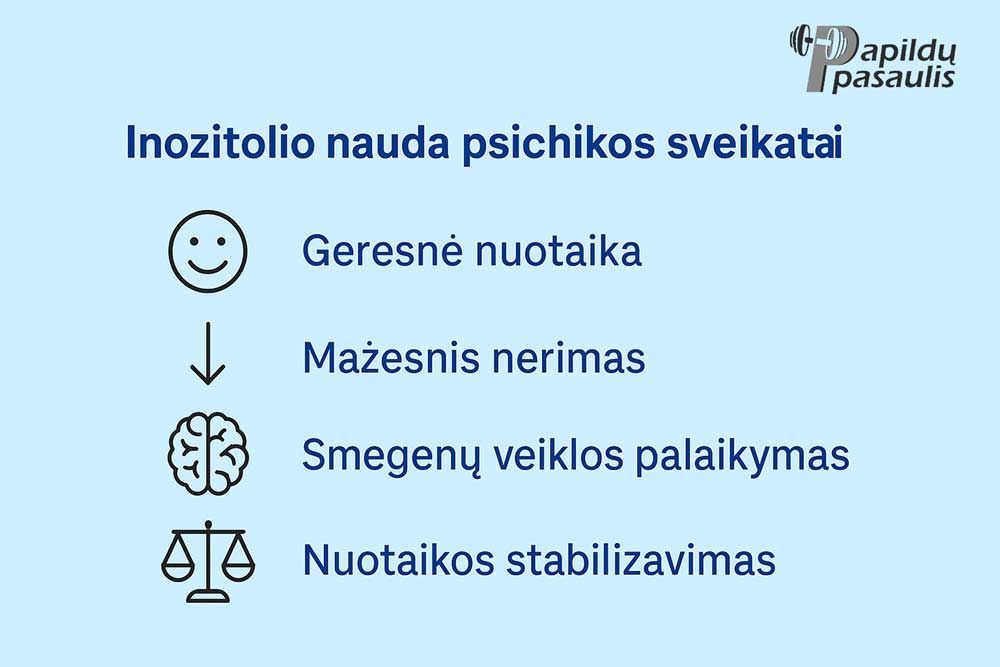
Inositol may improve mental health as it acts as a natural mood enhancer. It plays an important role in neurotransmitter activity and may facilitate the action of serotonin, which is very important for regulating mood and anxiety levels.
If you feel sadness or irritability, inositol may help reduce symptoms of depression and improve overall well-being. It may also support brain health and influence neurochemical pathways.
Inositol may alleviate symptoms of obsessive-compulsive disorder (OCD) and other mood-related conditions. By stabilizing mood, daily life may improve, for example, better focus and motivation.
Before trying inositol, it is advisable to consult a doctor and ensure it is suitable for you.
The dosage of this supplement may vary depending on the individual, so always consult a doctor before taking any supplements.
Inositol may help reduce anxiety symptoms by acting on neurotransmitter systems, especially serotonin. It may reduce anxious thoughts and feelings, making it easier to manage daily stress.
Inositol may be effective in treating panic disorder, as studies show that individuals taking it report fewer panic attacks and milder anxiety symptoms. It may also be beneficial for generalized anxiety disorder (GAD) - it is reported that continuous inositol use can improve mood and overall emotional well-being.
Besides panic disorder and GAD, inositol is also studied for its role in obsessive-compulsive disorder (OCD). Some individuals have reported that it may help ease compulsive behavior and intrusive thoughts, providing a more balanced mental state.
If you are considering using inositol for anxiety, it is very important to consult a doctor to determine the dose that meets your needs.
Inositol may cause digestive tract discomfort in some individuals. The most common symptoms are bloating, gas, diarrhea, and nausea, especially when taking higher doses or if your body is not accustomed to inositol.
To reduce unpleasant sensations, it may be helpful to start with a lower dose and gradually increase it. Taking inositol with food may also help reduce digestive tract disturbances.
If unpleasant sensations persist, it is advisable to consult a doctor. They can determine whether inositol is suitable for you or if alternative options should be considered.
Each person's body may react differently to dietary supplements, so it is very important to monitor your reaction in order to make informed health decisions.
If you experience digestive tract problems, it may be necessary to reassess inositol intake. Your comfort and health should always be a priority.
When determining how much inositol to take, the recommended daily dose can range from 1000 to 4000 mg, depending on individual needs and health goals. For specific conditions, such as polycystic ovary syndrome (PCOS) or anxiety, a higher amount may be required.
Starting with a lower dose of about 1000 mg allows you to assess your body's reaction. You can gradually increase the dose, but it is important to consult a doctor before making significant changes, especially if you are taking other medications or have health issues.
Inositol is water-soluble, which means your body can flush out the excess. However, it is very important to listen to your body; if you feel any discomfort or side effects, consider adjusting your intake.
Finding the right amount of inositol may require some experimentation, but the potential benefits may be worth the effort.
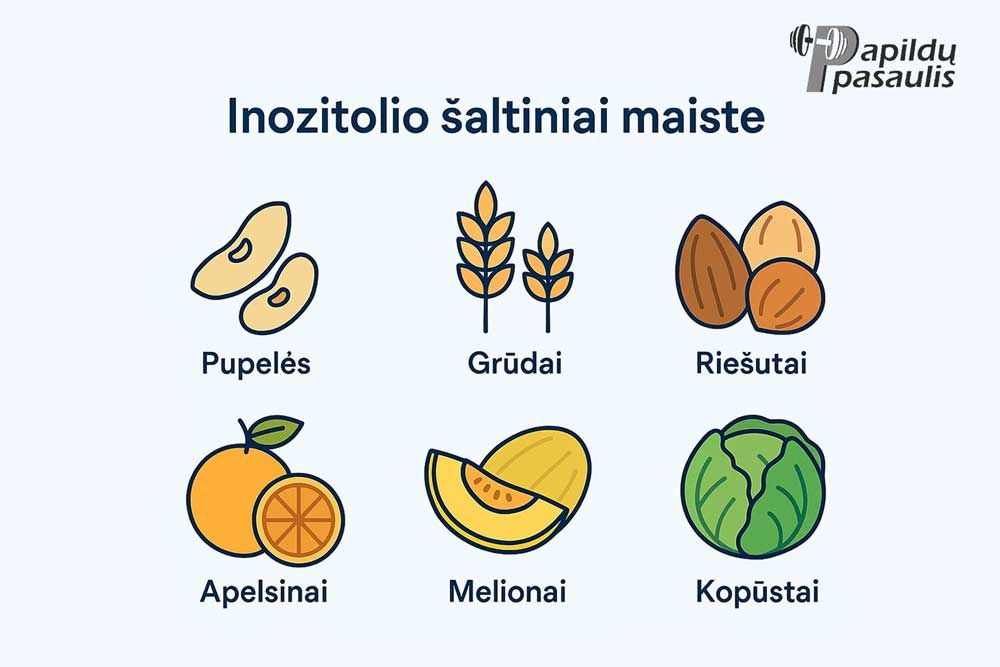
Inositol can be found in several foods, including beans, grains, and nuts.
Inositol may also be present in fruits such as oranges and melons, as well as vegetables like cabbage.
Although these foods may contain inositol, a balanced diet can help ensure you receive a variety of nutrients that support overall health.
Inositol may differ from other vitamins because it is actually a carbohydrate, often classified as a sugar alcohol.
While vitamins are essential nutrients needed by the body in small amounts, inositol may be important for cell signaling and fat metabolism.
It can participate in various biochemical processes, unlike traditional vitamins, which are often aimed at immune function or energy production.
Yes, inositol can interact with certain medications.
If you are taking antidepressants, antipsychotics, or diabetes medications, it is important to consult a doctor before starting inositol.
It may affect the action of these medications or enhance their side effects.
Monitor how you feel and report any changes to your doctor.
Always prioritize safety and ensure that the overall treatment plan is effective and well-coordinated.
Inositol may be safe for children, but it is essential to consult a doctor first.
Although inositol is considered safe for many, children's needs can vary greatly.
Dosage may differ depending on the individual, so always consult a doctor before starting any new supplements and monitor for unusual reactions.
It is always best to err on the side of caution, so obtaining personalized advice based on your child's health history is very important.
Long-term effects of inositol supplements may include improved mood and reduced anxiety levels.
However, it is very important to monitor your body's reaction. Some users may experience digestive discomfort or headaches, especially when taking higher doses.
Always consult a doctor to determine the appropriate dose for your needs. Regular doctor visits can help assess any changes and ensure you are benefiting without experiencing adverse effects.
Doses up to 18 g/day are considered safe for short-term use; in the case of PCOS, 4 g/day is commonly used, divided into two doses.
The risk is low, but combining with certain vitamins (e.g., B-complex or ADEK) may cause digestive issues. However, no serious interactions have been identified.


